Understanding Dairy's Impact on Health
Understanding Dairy's Impact on Health
When many people think about dairy, they often picture products like milk, cheese, and yogurt, which are commonly consumed around the globe. While these foods are enjoyed for their taste and nutritional benefits, some individuals experience health issues due to dairy consumption. Understanding these impacts can be essential for making informed dietary choices and maintaining good health.
Common Health Issues Linked to Dairy
For those sensitive to dairy, several health triggers are worth noting. Here's a look at the most common issues:
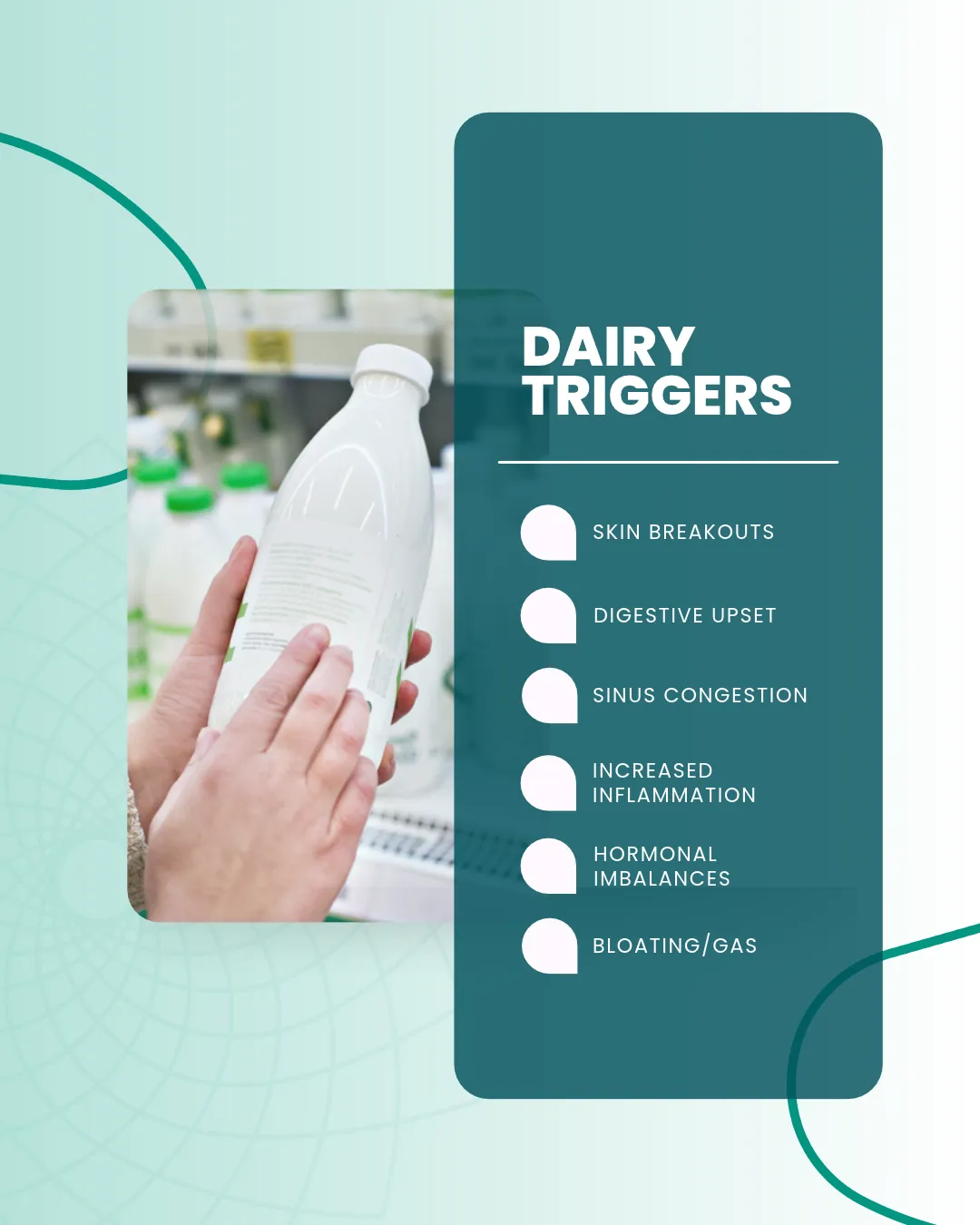
- Skin Breakouts: Some people report issues like acne or rashes after consuming dairy. Dairy may increase the production of oils in the skin, potentially leading to clogged pores and acne.
- Digestive Upset: Lactose intolerance is a prevalent condition causing symptoms like diarrhea, bloating, and gas. This occurs when the body cannot properly digest lactose, a sugar found in milk products.
- Sinus Congestion: Dairy products can sometimes lead to increased mucus production, causing sinus congestion or even worsening allergy symptoms in some individuals.
- Increased Inflammation: Although research is ongoing, some people find that dairy exacerbates conditions that involve inflammation, such as arthritis.
- Hormonal Imbalances: Dairy can interact with the body's natural hormone production, affecting areas like reproductive health and mood stability.
- Bloating/Gas: Similar to digestive upset, bloating and gas can arise from the body’s difficulty digesting dairy.
Recognizing Symptoms and Making Changes
The effects of dairy are not uniform for everyone. Some people might experience all of the symptoms listed, while others may have none at all. Recognizing which symptoms occur can be essential. Here are some steps to help manage these issues:
- Identify Your Symptoms: Keep a food diary that includes what dairy products you consume and note any symptoms. This can help in spotting patterns and making connections.
- Experiment with Alternatives: Try dairy alternatives such as almond milk, oat milk, or soy products. These alternatives often provide similar nutrients, minus the lactose and potential allergens.
- Consult Healthcare Professionals: If symptoms persist, make an appointment with a healthcare provider. They can offer tests to determine if you have lactose intolerance or a milk allergy.
- Consider Probiotics: Incorporating probiotics can improve digestion and may help reduce some dairy-related issues.
Finding the Right Balance
While dairy can cause problems for some, it also offers significant nutritional benefits. Dairy is rich in calcium, vitamin D, and other essential nutrients that support bone health. The key lies in finding a balance where you can enjoy the benefits without suffering from discomfort.
Conclusion
Understanding the impact of dairy on your health involves paying attention to how your body responds and seeking professional advice when needed. By doing so, you can manage adverse effects while enjoying a balanced diet. Remember, listening to your body and taking steps to address what it needs is a crucial part of maintaining your overall well-being.