Understanding Egg Sensitivity in Health
Understanding Egg Sensitivity in Health
For many, eggs are a nutritious part of their daily diet. They're full of protein and essential vitamins, making them a staple in many meals. However, for others, eggs can cause discomfort and health issues, known as egg sensitivity.
What is Egg Sensitivity?
Egg sensitivity is when the immune system overreacts to proteins found in eggs. This reaction can trigger various symptoms, affecting different parts of the body. Unlike egg allergies, egg sensitivity symptoms are often delayed and not immediately life-threatening, but they can still significantly impact one's health and quality of life.
Symptoms of Egg Sensitivity
Egg sensitivity presents a range of symptoms. Here's a closer look at some common reactions:
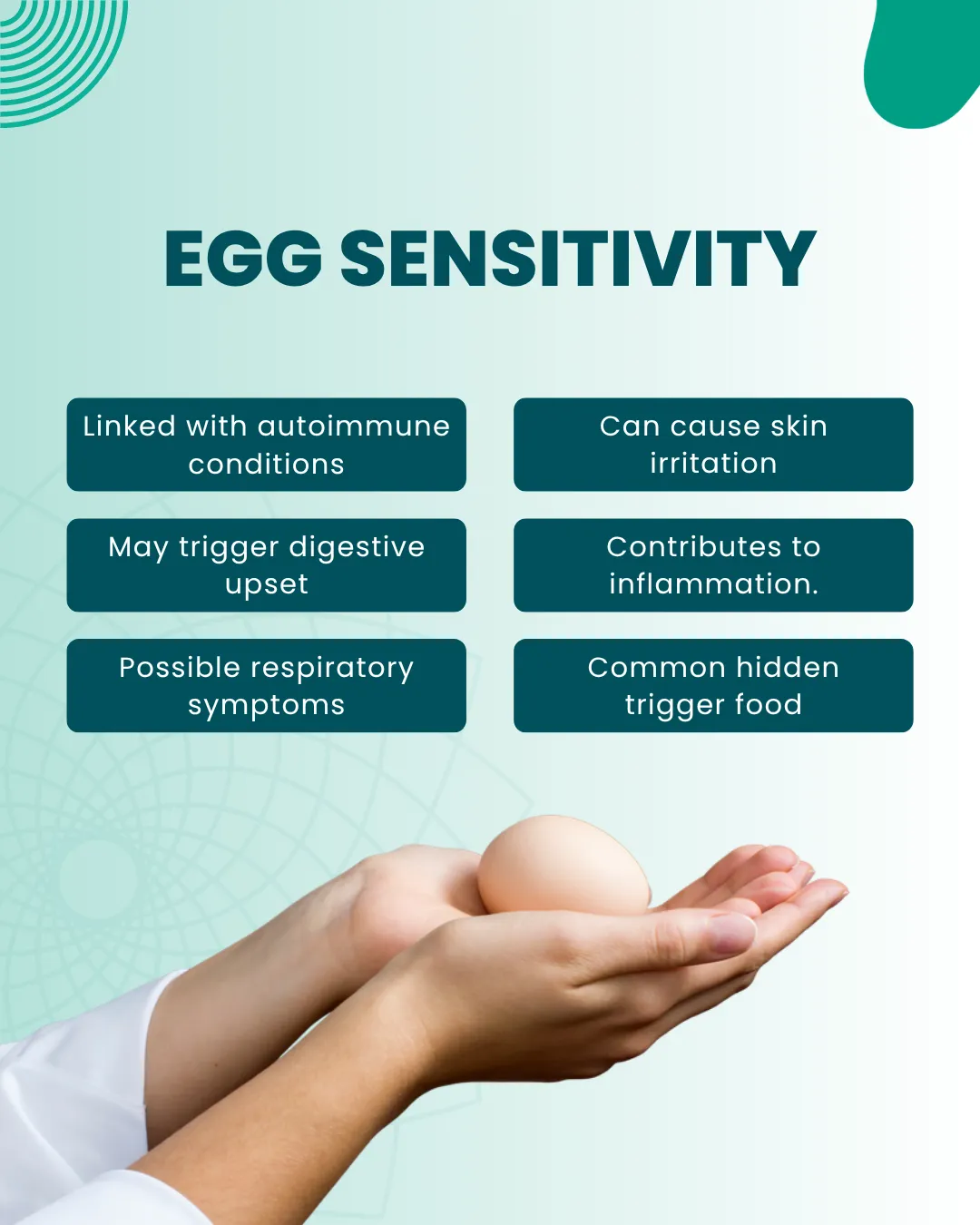
- Digestive Upset: Many experience problems like stomach cramps, bloating, gas, or diarrhea after consuming eggs.
- Respiratory Symptoms: Some may experience runny nose, coughing, or even shortness of breath.
- Skin Irritation: Rashes, eczema, or itchy skin can occur, making life uncomfortable.
- Inflammation: Consuming eggs can contribute to inflammation, exacerbating existing health issues.
Egg Sensitivity and Autoimmune Conditions
There is a notable link between egg sensitivity and autoimmune conditions. For some individuals, egg proteins may trigger or worsen autoimmune responses, contributing to flare-ups and additional health challenges.
Hidden Sources of Eggs
Eggs are often found in products where you might not expect them. Here are some common hidden sources of eggs:
- Baked goods like cakes and cookies
- Pasta and noodles
- Mayonnaise and some salad dressings
- Some processed meats
- Certain beverages like specialty coffee drinks
Diagnosing Egg Sensitivity
To determine if you have egg sensitivity, consider the following steps:
- Track your symptoms: Keep a detailed record of what you eat and any symptoms you experience.
- Elimination diet: Remove eggs from your diet for a few weeks and slowly reintroduce them to see if symptoms reappear.
- Consult a professional: Speak to a doctor or nutritionist for proper testing and diagnosis.
Managing Egg Sensitivity
Living with egg sensitivity requires some adjustments, but it is manageable. Consider these tips:
- Read Labels Carefully: Always check food labels for egg ingredients.
- Explore Alternatives: Use egg substitutes in your cooking, like applesauce, flaxseed meal, or commercial egg replacers.
- Plan Your Meals: Meal planning can help avoid accidental egg consumption.
- Inform Others: Let friends, family, and restaurants know about your sensitivity so they can accommodate you.
Conclusion
Egg sensitivity can be challenging, but with careful management and awareness, individuals can continue to enjoy a healthy lifestyle. Understanding your body's needs and responses is key to navigating egg sensitivity effectively.