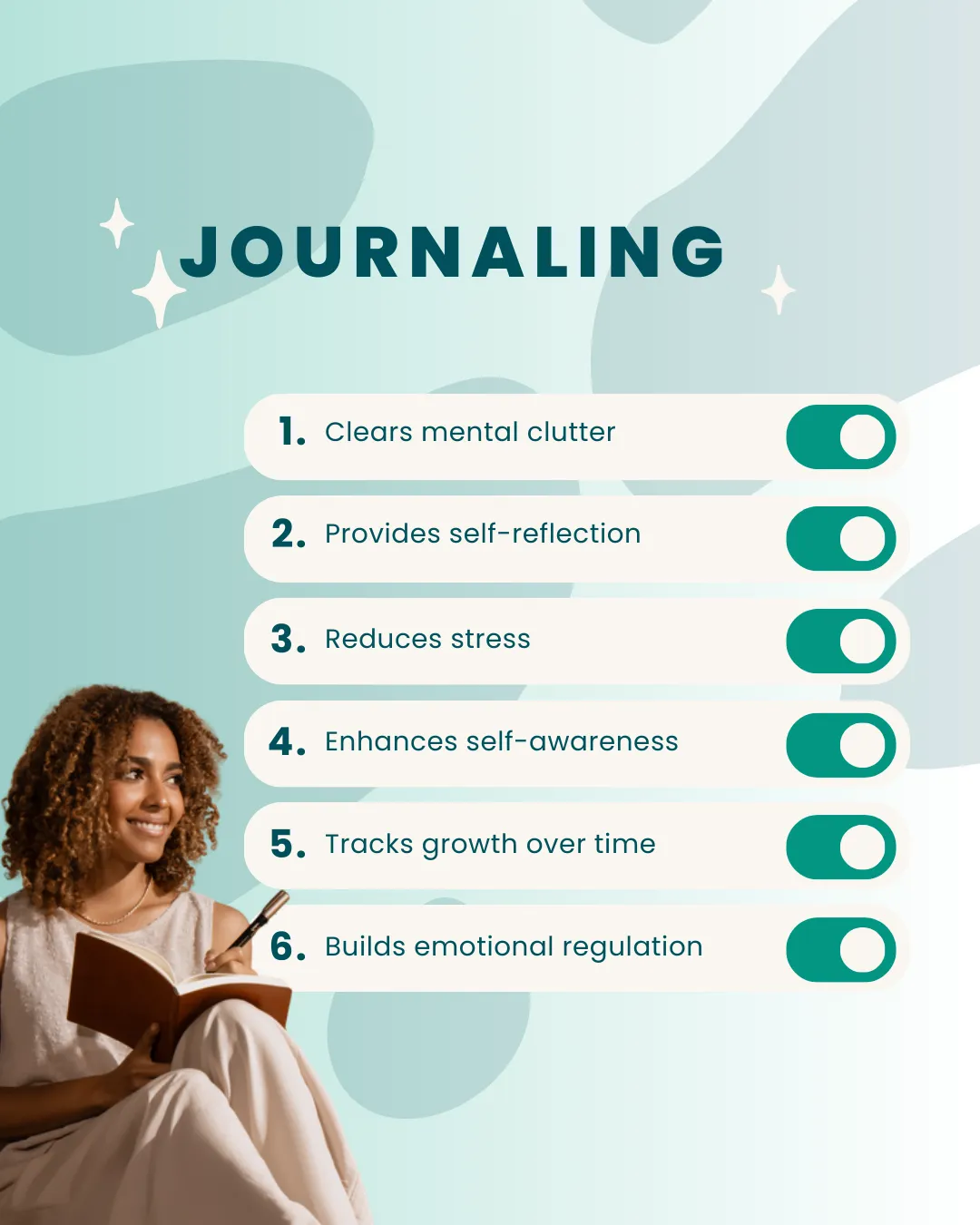
Unlock Wellness Through Journaling
Unlock Wellness Through Journaling
In a world bustling with activities and responsibilities, our mental health can sometimes take a backseat. However, there's a simple yet effective tool to enhance mental clarity and emotional wellbeing: journaling. This practice can bring numerous benefits to our lives, all from the comfort of our own homes.
1. Clears Mental Clutter
Every day, our minds are bombarded with thoughts, worries, and tasks. This mental clutter can become overwhelming. Journaling acts as a mental cleanup crew, helping to organize thoughts and solve problems. By writing down these thoughts, individuals can transfer them from their mind onto paper, leaving the brain with more room to focus.
2. Provides Self-Reflection
How often do we take time to reflect on our lives? Journaling allows for self-reflection, giving individuals a moment to pause and consider their thoughts, actions, and feelings. It's a personal space where one can explore emotions and understand personal responses better.
3. Reduces Stress
Stress is an unwelcome part of life, but nurturing a routine of journaling can help manage it. Studies show that expressing emotions through writing can reduce stress levels. If something is bothering you, jot it down. Writing offers a release, like speaking to a friend, without any judgment.
4. Enhances Self-Awareness
Understanding oneself is a journey, and journaling can light the way. By consistently recording thoughts and emotions, one can discover patterns in behavior and emotional triggers. Self-awareness leads to more conscious actions and a better understanding of personal needs and desires.
5. Tracks Growth Over Time
One of the most gratifying aspects of journaling is being able to look back and see personal growth. Whether it's a few weeks or a few years, reviewing old journal entries can highlight how much progress has been made. This not only boosts confidence but also offers motivation to continue pursuing personal goals.
6. Builds Emotional Regulation
Emotions can be unpredictable, but regularly journaling can help manage them better. By writing about feelings, individuals practice emotional regulation. This means they can learn to control how they react to challenging situations, leading to steadier moods and a calmer mind.
How to Start Journaling
Beginning the practice of journaling doesn't need to be daunting. Here are a few simple steps to get started:
- Choose a Journal: Pick a notebook or digital platform that you'd enjoy using.
- Set Aside Time: Decide on a regular time each day or week to write, even if it's just 5 minutes.
- Write Freely: There's no right or wrong way to journal. Just start writing what's on your mind.
- Be Consistent: Try to stick to a schedule to make journaling a habit.
- Reflect: Occasionally, look back at your entries to see your progress.
Journaling is more than just writing; it's a gateway to improved mental and emotional health. By incorporating this practice into daily life, individuals can achieve greater clarity, reduce stress, and ultimately enhance their wellbeing. So why not give it a try? Start your journaling journey today and unlock a more balanced and aware version of yourself.